 LoreRoad
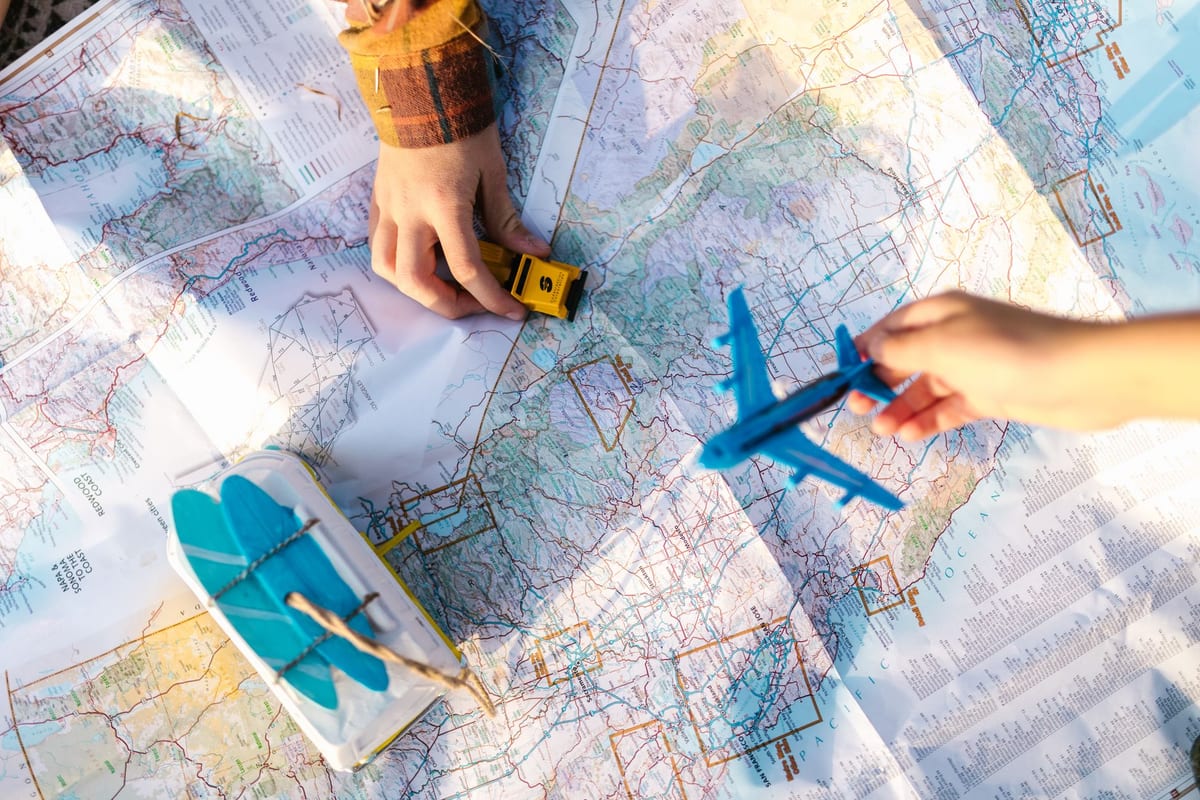 Photo by RDNE Stock project · CC Pexels License undefined
How to turn a long interstate day into a map‑based achievement hunt
Practical ways to turn a long interstate drive into an achievement hunt with goals, map logging, and a shareable scrapbook for kids and adults.
The problem: bored passengers, long miles, frayed patience
You’ve got hours of highway ahead, a back seat asking “how long now?”, and a driver who just wants steady progress. The fix is structure, not screens: a clear map, bite‑size goals, and a scoreboard everyone can see.
Make the map the game board
Build the day around checkpoints you can actually hit without detours.
- State‑line badges: Put a pin on the welcome center, the first rest area, and the first fuel stop over the border. Crossing the line earns the badge; optional bonus for a team photo with the sign.
- Exit‑based mini‑bosses: Every third exit, pull a quick challenge: find a local snack, spot a landmark billboard, or name three facts about the next city.
- “One‑per‑state” collections: The US Mint’s 50 State Quarters campaign ran 1999–2008 and shipped 34.2 billion quarters during those years vs. 14.8 billion in the prior period — a clear signal that state‑by‑state collecting hooks people (US Mint). Use that same cadence for your hunt: one postcard, one snack, or one interesting stop per state.
If you’re using LoreRoad, the Map keeps your route front and center while it reads out location‑aware stories so the driver never has to look away.
What small goals keep kids engaged without derailing the schedule?
Mix wins they can score from the window with quick, safe stretch stops.
- Road‑sign bingo that advances the plot: mile markers, next‑state countdown boards, unusual speed limits, or “Adopt‑A‑Highway by…” signs. First to spot three gets to pick the next playlist.
- Welcome‑center dash: Plan one stop per state for a bathroom break and a stamp or brochure photo. Tie it to a state badge on your map.
- Snack scouts: Give each kid a budget and a theme (state‑named chips, local jerky, soda with a regional brand). Snap a photo with the receipt and add it to the scrapbook.
- Beginner geocache: Nearly every decent‑sized town has a cache or two; read the listing, park legally, and teach the etiquette: sign the paper log and log online, don’t “couch‑log” trackables, and respect placement rules (Geocaching HQ). Your rule: one attempt per day max to keep the clock honest.
- Observation quests: “Spot five bird species,” “photograph three wildflowers,” or “find a cloud that looks like an animal.” iNaturalist makes these stick because quick wins matter — the team reports strong early retention when new users land a Research Grade ID in week one (iNaturalist).
- Rolling trivia: The passenger team picks the next exit number and the driver has to guess the town; swap roles after the next sign.
For zero‑prep passenger fun between stops, LoreRoad’s Games include License Plate Hunt, Road‑Sign Bingo, I‑Spy, Alphabet, 20 Questions, The Impostor, and Geo Battle — no cards to print.
Adults need achievements too
Kids don’t own the scoreboard. Give the front seats targets that feel satisfying at highway speed.
- “No‑repeat food” day: No chain can repeat; if you grab coffee at one brand, lunch must be independent or a different chain entirely. Photograph the receipts.
- “Big‑sky hours” streak: Track an uninterrupted two‑hour block with no billboards taller than the overpasses. Your navigator calls it, and you log the start/stop photo out the windshield.
- Park‑unit badge: Many National Park Service sites sit near interstates. The NPS Junior Ranger program offers a template for quick, purposeful stops with short activity books and badges (NPS Junior Ranger). If you want to plan this into your route, the NPS lists parks offering Junior Ranger programs across the system (NPS parks with Junior Ranger programs).
Turn your route into built‑in achievements with LoreRoad
If you want the map to be the scoreboard, use a tool that logs the day without fiddling.
- LoreRoad reads location‑aware facts about history, landmarks, roadside oddities, food, and local legends aloud as you pass, so the driver keeps eyes on the road.
- The map logs trips and states visited, then tracks achievements like “50 States” and “Coast‑to‑Coast in One Trip.” Family plan adds per‑member stats and an auto‑scrapbook trip journal you can share later. Check the Pricing for plan details.
Record the trip and build a shareable scrapbook
Pick one home for your notes so you don’t end up with photos on four phones and no story.
- Day One (journal app): Each stop gets a quick entry. On desktop you can export multi‑entry bundles to PDF or Markdown, or grab a JSON export with the metadata (date, time, location, weather) if you want to remap the trip later. Mobile supports per‑entry PDF too (Day One). A clean pattern: tag every entry “I‑40‑Spring” (or your route + season), then export by tag for a tidy, printable trip package.
- LoreRoad’s auto‑scrapbook (Family plan): Let it auto‑capture the route map, states crossed, and your unlocked achievements, then add a few favorite photos and captions after you park.
Tip: Pick a single filename or caption pattern (“2026‑06‑I95‑VA‑Welcome‑Sign.jpg”). It keeps the album in order and makes later exports painless.
Example interstate achievement routes you can run this weekend
Use these as templates; tweak the stops to fit your exact legs and daylight.
- I‑95 Northbound: State‑line selfies at NC→VA, VA→MD, MD→DE; a Junior Ranger drop‑in if you’re passing near First State National Historical Park or Assateague Island (many parks publish Junior Ranger materials, so check what’s en‑route: NPS parks with Junior Ranger programs). Food quest: one seafood snack per coastal state. Bonus: a single beginner geocache near a rest area — read the cache page first for permissions and difficulty (Geocaching HQ).
- I‑40 Cross‑Country: Treat the whole corridor as an achievement track — “Coast‑to‑Coast in One Trip” is a classic LoreRoad map badge target. Layer in “Desert Sunrise” (photo before 7 a.m. in NM or AZ), “Plateau Postcard” (mail a postcard from a small‑town post office), and one Junior Ranger booklet completed anywhere you truly stop (NPS Junior Ranger).
- I‑10 Desert Sprint: Observation‑first day. Add an iNaturalist mini‑challenge before lunch: one plant, one insect, one bird, posted from the passenger seat when parked. Early wins keep people engaged — that Research Grade nudge in the first week correlates with stronger short‑term participation (iNaturalist). Round it out with a geocache attempt if a safe pull‑off matches your timeline (Geocaching HQ).
Avoid the traps that ruin trip logs and scrapbooks
A little discipline keeps the game fun and your battery alive.
- Battery planning: Continuous GPS for games, caches, and observations drains fast. Pack car adapters and one battery bank per active phone, and pre‑download offline maps for black‑signal stretches.
- One source of truth: Pick LoreRoad’s auto‑scrapbook or a Day One journal as the “official” log. Everything else feeds into it.
- Privacy: Don’t publish raw GPS logs or full‑resolution album exports with home addresses and daily patterns. Trim the first/last mile or blur sensitive spots before sharing.
- Cache reality: Some rest‑area caches vanish (“muggled”) or sit behind construction fencing. Always read the cache description and recent logs before committing a stop (Geocaching HQ).
Quick setup checklist (10 minutes tonight)
- Pick three achievements for tomorrow’s route: one kid‑win, one adult‑win, one group photo.
- Create a Day One journal tagged for this trip, or turn on LoreRoad’s auto‑scrapbook if you’re on the Family plan (Pricing).
- Decide the checkpoint cadence: every third exit or every 90 minutes.
- Print or screenshot your bingo/goal cards and agree on points.
- Put charging cables and a battery bank in the glovebox.
Now do the fun part: open LoreRoad’s free New York‑to‑California web demo in your browser, pick your three achievements, and set tomorrow’s first checkpoint.
Common questions
How can I use maps and achievements to keep kids engaged on long drives?
Turn your route into a game board. Mark state lines, welcome centers, and every third exit as checkpoints. Give kids fast wins (sign bingo, snack scouts, one geocache attempt), and log badges for each completed task. Tools like LoreRoad read out place‑based stories and track states and achievements automatically so you can keep eyes on the road.
What small goals work well without adding lots of time?
- State‑line selfies and a quick welcome‑center stop. - Road‑sign bingo from the window. - Snack scouts with a dollar limit. - One beginner geocache with proper etiquette ([Geocaching HQ]). - An observation mini‑quest (three species) that you can log when parked ([iNaturalist]).
How do you record and share a trip scrapbook?
Pick one home for the log. Day One lets you tag entries and export a trip to PDF or Markdown with date/time/location metadata for clean sharing ([Day One]). If you’re on LoreRoad’s Family plan, use the auto‑scrapbook and per‑member stats, then add a handful of photos and captions at day’s end.
Do adults get achievements too?
Absolutely. Try a no‑repeat‑food day, a “big‑sky hours” streak with windshield photos, or a quick Junior Ranger stop at a park along your route for a badge‑style win ([NPS Junior Ranger]).
LoreRoad tells you the history behind every mile — surfaced as you reach it and read aloud, so the driver never looks down.
Get the app