 LoreRoad
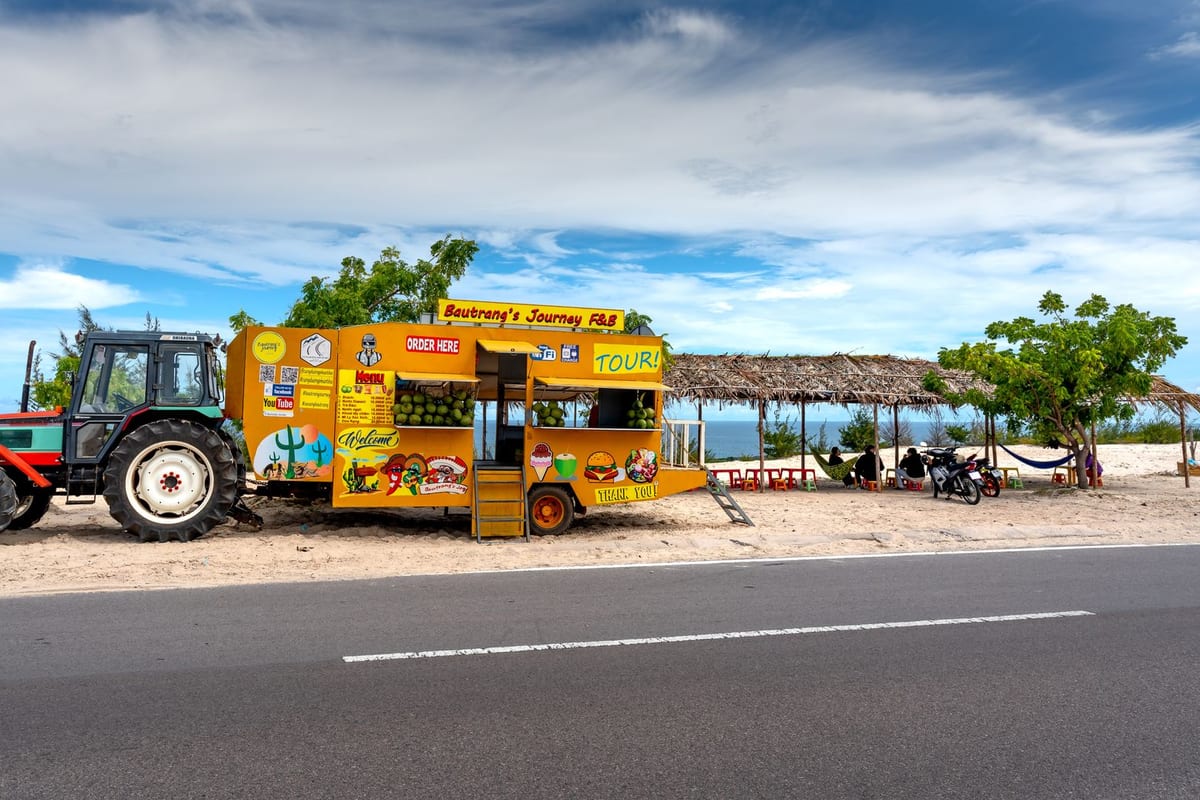 Photo by Quang Nguyen Vinh · CC Pexels License undefined
How to pick three 'worth-it' roadside food stops each travel day using LoreRoad
A practitioner’s guide to choosing one quick, one sit-down, and one quirky local-food stop per travel day—using LoreRoad, smart prompts, and realistic time budgets.
The plan: three stops, zero regret
You’re two hours into a drive, the back seat just asked for snacks again, and your partner wants something local—not a sad highway burger. Here’s the system I use: plan for three “worth-it” regional stops each day—one quick, one sit-down, one quirky—and make them route-realistic.
Find stops that are actually along your route (and actually local)
- Use the location-aware food layer and ask by voice. Lore (the in-app guide) handles route-aware questions like “Where should we stop to eat?” and speaks the answer so the driver keeps eyes on the road. The product pages lay out the location-aware experience and food layer, and that Lore answers by voice as you drive (LoreRoad). You can also see example food-search prompts and filters—like “kid-friendly, not fast food”—in their prompts guide (LoreRoad blog on food prompts).
- Don’t trust one signal. Cross-check any candidate with a couple of sanity checks locals use. Travel reporters suggest avoiding spots planted right on the main tourist strip, places with hawkers outside, giant picture menus, and menus translated for tourists rather than written for locals (TravelAwaits).
- Add local-first cues. Guides recommend triangulating with local press “best of” lists, neighborhood searches, and social/local forums rather than just star ratings. Also watch on-the-ground signals like a menu written for locals and a dining room full of repeat customers (Poor Man’s Guide).
- Use the map to make detours small. Preview what’s coming up on your corridor so you aren’t tempted by a 25-minute off-route slog for a 10-minute bite. The route preview helps keep choices honest (Map).
Quick field test: ask for a spot within a short detour window (e.g., “within 10 minutes of the route”), then check for tourist-trap flags and one local press mention. If it passes, pin it.
How much time to budget for each stop (without blowing your day)
Budgeting is where most road meals slip. Use these planning ranges, anchored to real service-time research, then tune for your crew.
Quick stop (coffee, pastry, tacos, food truck):
- Service time reference: industry drive‑thru/quick pickup studies generally clock total service around 4–6 minutes depending on chain and year (MenuXP on QSR/Intouch studies).
- Road reality: add time for exit/parking, ordering if it’s not a drive‑thru, restrooms, and a short leg-stretch.
- Planning template: 20–25 minutes if it’s right off the highway; 25–35 if there’s a small detour or a market line.
Sit‑down meal (casual local, diner, regional specialty):
- Dining time research: full‑service averages commonly land ~45–75 minutes depending on party size and flow (Tablelink industry guide; ScienceDirect case studies). Cornell’s hospitality research measured a very short dining case at ~29.9 minutes, which shows how format and systems change the clock (Cornell hospitality study PDF).
- Road reality: families, shared plates, and a local-special menu trend longer than a solo business lunch.
- Planning template: 55–75 minutes for a family/couple on a casual local spot, plus 10 minutes for pay-and-park logistics.
Quirky stop (farm stand, pie shack, cheese cave, peanut shop you spotted in a story):
- There isn’t a single industry stat here. Think like a pit crew: you’re grabbing a taste, a small purchase, and a photo.
- Planning template: 15–30 minutes, depending on whether you’re sampling or doing a mini tour.
Pro move: schedule your sit‑down at typical off‑peak windows so the dining-time variance stays tight. Even a 10-minute swing compounds across a long day.
Voice prompts that pull local flavor, not chain filler
Lore handles route-aware, spoken queries. The examples below mirror the pattern in the product’s prompt guide, which shows using qualifiers to steer the results (LoreRoad blog on food prompts). Try these out loud:
- “Find a quick, local breakfast within 5 minutes of our route. No chains. Open now.”
- “We want a regional specialty for lunch—Navajo tacos or green chile—within 10 minutes of I‑40. Kid‑friendly, not fast food.”
- “Quirky snack stop ahead: small town bakery or farm stand, less than 10 minutes off route.”
- “Dinner near the river with patio seating, 45–60 minute meal, avoid the tourist strip.”
- “Best local barbecue ahead with counter service. Within 5 minutes of the highway.”
- “What’s a family‑run classic in the next town that locals love? Not on the main square.”
Pattern to copy:
- Start with the meal type and format (quick, sit‑down, quirky).
- Add a regional angle (green chile, kolaches, pierogies, fry bread, shrimp po’ boys).
- Bound the detour (“within 10 minutes of the route”).
- Add filters (no chains, kid‑friendly, patio, open now).
Want a feel for how the guide sounds and works? Meet the voice and see examples on the product page (Lore).
Avoid tourist traps without turning into a snob
Some traps are predictable once you look for them:
- If it’s planted right on a landmark plaza with hosts hustling passersby and a laminated picture menu, it’s designed for tourists, not locals (TravelAwaits).
- Menus that try to cover sushi, brisket, and lasagna in one kitchen are a red flag; local spots tend to specialize (TravelAwaits).
- Cross-check with local signals: city weeklies, neighborhood searches, and social/local forums—don’t rely only on an aggregate star rating (Poor Man’s Guide).
How this looks on the road: ask for “not on the main square, where locals go,” peek at a local media list if you have reception, and favor a small detour into a residential street over a big-box exit.
A sample 6‑hour driving day with three regional food stops
Assume a wheels‑rolling start at 8:00 a.m. and a goal to arrive near 5:30–6:00 p.m. with minimal schedule creep.
8:00 a.m. — Depart. Ask: “Quick local breakfast or bakery within 5 minutes of our route. No chains. Open now.”
- Target stop window: 9:45–10:10 a.m.
- Budget: 20–25 minutes based on quick‑service benchmarks of ~4–6 minutes plus parking/restroom buffer (MenuXP on QSR/Intouch studies).
- Why now: You bank early miles, then refuel with something better than lobby coffee.
12:30 p.m. — Lunch search prompt at 30 minutes out: “Sit‑down regional specialty within 10 minutes of US‑route. Patio if possible. Kid‑friendly.”
- Target sit‑down: 1:00–2:00 p.m.
- Budget: 60–70 minutes—well inside the ~45–75 minute full‑service norms, leaving cushion for a family pace (Tablelink; ScienceDirect).
- Filter idea: Ask for a place not on the main square to dodge tourist traps (TravelAwaits).
3:45 p.m. — Quirky snack/photo stop. Prompt: “Small‑town sweet or salty legend ahead—pie shop, peanut stand, cheese place—less than 10 minutes off our route.”
- Target window: 4:00–4:20 p.m.
- Budget: 15–25 minutes for a sample, purchase, and a couple of photos.
- Bonus: Ask Lore for a one‑minute story about the town as you roll in; the app reads those out loud so the driver stays eyes‑up (LoreRoad).
5:30–6:00 p.m. — Roll into your destination without the hangry spiral.
What this buys you: a regional breakfast pastry/coffee, a proper sit‑down specialty that feels like the place you’re in, and a memory stop that costs almost no time.
Build your shortlist in 10 minutes the night before
- Open the route preview and skim the upcoming towns you’ll hit during meal windows (Map).
- For each window, ask two or three voice prompts with your must‑haves (detour limit, style, “no chains”). Save one quick, one sit‑down, one quirky candidate.
- Cross-check each candidate for a tourist‑trap red flag (location, menu sprawl, hawkers) using the guidance from travel reporters (TravelAwaits). If it flunks, swap it for your backup.
- Jot the exit number or the exact detour time in your notes so you can decide fast in the car.
Templates you can copy and tweak
- Quick stop template: “Quick local [coffee/taco/bakery] within [5] minutes of our route. [No chains]. [Open now].” Plan 20–25 minutes total.
- Sit‑down template: “Regional [specialty—e.g., catfish/green chile/kolaches] for lunch within [10] minutes of [I‑XX/US‑XX]. [Kid‑friendly], [patio if possible].” Plan 55–75 minutes, aligned with full‑service norms (Tablelink; ScienceDirect).
- Quirky template: “Quirky local [pie stand/farm market/old‑school candy shop] ahead, less than [10] minutes off‑route.” Plan 15–30 minutes.
Who pays for the extra time? Your schedule, so keep it honest
- Keep each detour under your stated cap. If you say “within 10 minutes of the route,” stick to it.
- Set meal alarms 30 minutes before your target window so you can ask a prompt and choose without rushing.
- If you have kids, consider a single sit‑down per day. The rest can be quick or quirky.
If you want the narration and voice built in
Every road has a story. LoreRoad tells it. It surfaces location‑aware food, history, landmarks, roadside oddities, and legends, and reads them aloud as you pass. You can ask by voice or tap, and the in‑app guide answers out loud, wherever you are (Lore). Plans are month‑to‑month, billed through the App Store, with a Family option for multiplayer games and kid mode—details are on the pricing page (Pricing).
Your next move
Open the route you’re driving tomorrow, pick the three stop windows, and practice three voice prompts—one quick, one sit‑down, one quirky—so you’re ready the moment the car asks, “What’s good ahead?”
Common questions
How do I find local food stops along my route that are worth stopping for?
Use a route-aware search with voice filters (e.g., quick vs sit-down, detour limit, no chains). Then apply local-first checks: avoid tourist-strip spots with hawkers and picture menus, prefer specialty menus, and cross-check with local media lists or neighborhood searches (TravelAwaits; Poor Man’s Guide).
How many minutes should I budget for quick vs sit-down vs quirky stops?
Quick: plan ~20–25 minutes based on ~4–6 minute service times plus parking/restroom buffer (MenuXP on QSR/Intouch studies). Sit-down: plan ~55–75 minutes, consistent with full-service averages reported around ~45–75 minutes (Tablelink; ScienceDirect). Quirky/photo stop: plan ~15–30 minutes.
What Lore voice prompts get better local recommendations?
Follow this pattern: meal type + regional angle + detour cap + filters. Example: “Quick local breakfast within 5 minutes of our route. No chains. Open now.” The prompts guide shows these kinds of qualifiers (LoreRoad blog on food prompts).
How can I avoid tourist traps and pick places locals love?
Look for specialization over kitchen‑sink menus and avoid main‑plaza spots with hawkers or picture menus. Cross-check picks with local media lists or forums, not just star ratings (TravelAwaits; Poor Man’s Guide).
LoreRoad tells you the history behind every mile — surfaced as you reach it and read aloud, so the driver never looks down.
Get the appSources (8)
- LoreRoad: Your witty co‑pilot for road trips
- How Lore — an AI road‑trip guide — answers 'Where should we stop to eat'
- Cornell Center for Hospitality Research — Meal Duration findings
- An evaluation of heuristic methods for determining the best table mix in full‑service restaurants (ScienceDirect)
- Drive‑Thru Speed 2025, Average Service Times and Why They Slipped (MenuXP referencing Intouch/QSR)
- 5 Tips to Find a Great Local Restaurant—And Avoid Tourist Traps (TravelAwaits)
- How to Find Authentic Local Restaurants Away from Tourist Traps (Poor Man's Guide)
- What's a Good Table Turnover Rate? (TableLink blog summarizing industry benchmarks)