 LoreRoad
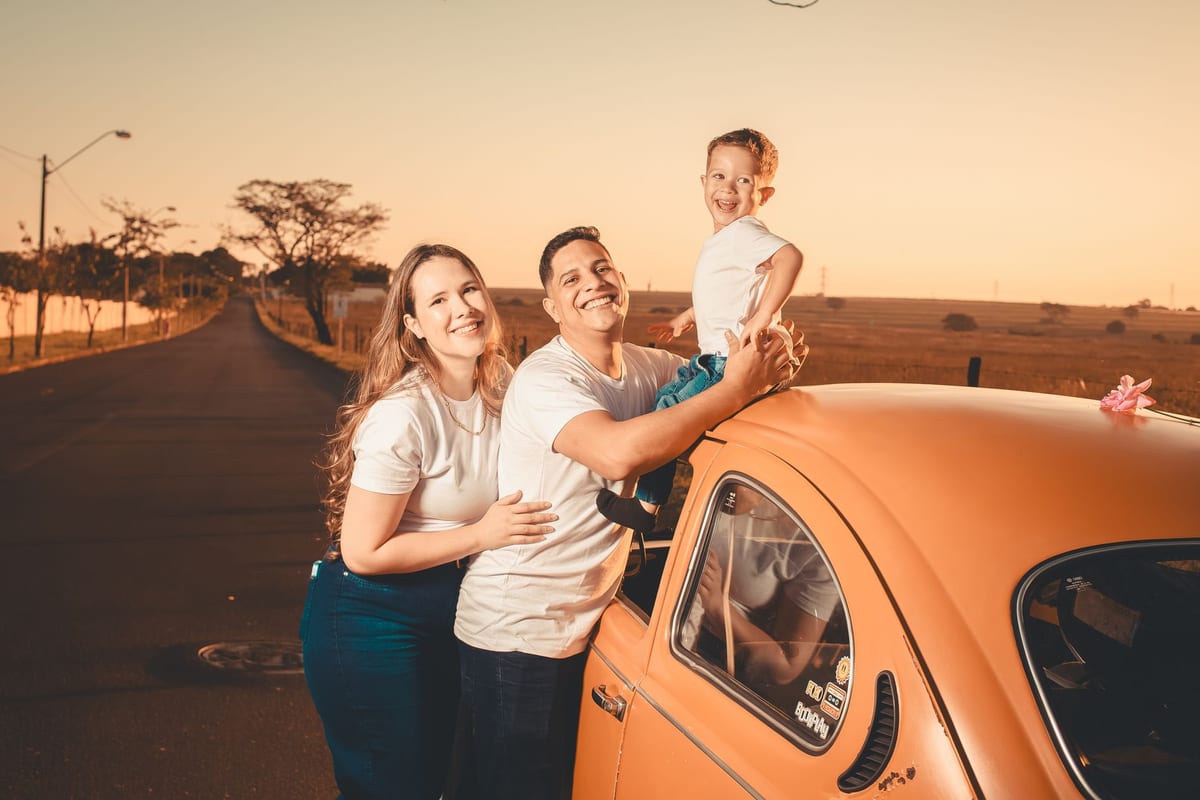 Photo by Breno Cardoso · CC Pexels License undefined
How to plan a 3‑hour scenic‑byway with kids using LoreRoad
A timed, kid-proof 3‑hour scenic-byway plan: pacing, two quick stops, when to use Kid Mode vs Party Mode, which games to run, and how to auto‑scrapbook it fast.
The 3-hour problem, solved with a clock and a plan
You’ve got a stunning byway, a tight window, and small humans with short fuses. Here’s a timed playbook that keeps the ride lively, schedules two quick stops, and wraps with a finished trip journal before teeth-brushing.
How long should a “3-hour scenic-byway” actually be for kids?
Three hours of engine-on time is fine, but you’ll want a stretch or two for comfort and sanity. Pediatric guidance recommends a break every 2–3 hours on day trips with infants and young children for diaper changes, feeding, and getting out of the seat (HealthyChildren.org / AAP). For attention, plan content in short blocks. Early‑childhood resources target roughly 15–20 minutes per activity for toddlers and preschoolers (state early‑childhood guidance).
Translation for a 3-hour byway: aim for two legs of about 60–75 minutes, separated by short stretch/loo/snack stops, and design the in‑car activities as 10–20 minute beats.
The timed itinerary: minute‑by‑minute for a smooth, scenic loop
Here’s a realistic structure that assumes one toddler/preschooler, one older sibling, and a driver who wants the scenery too. Swap segments as needed.
- T‑15 min: Bathroom, car seats set, snacks reachable, water bottles filled. Pre‑download your route or save the byway pins. Hand each kid their “ride kit” (small snack, cuddle item, a fidget).
- 0:00–0:05 — Setup and safety check: Buckles clicked, window shades adjusted, sunblock if needed. Start the app; glance at the Map to see what’s ahead.
- 0:05–0:20 — Warm‑up story beat (15 minutes): Choose a location‑aware story about a visible landmark or roadside oddity so the car shares a single focal point. Keep it short; young kids often track best in these 15–20 minute chunks (state early‑childhood guidance).
- 0:20–0:35 — Game 1: Road‑Sign Bingo or I‑Spy: These reward looking out the window and work at any speed.
- 0:35–0:50 — Short narrated facts window: Let the app read aloud a few location‑aware snippets as you pass them. Driver gets the view; kids get context.
- 0:50–1:05 — Game 2: Alphabet or License Plate Hunt: Good for older kids, but the little one can “find any A shape” on signs.
- 1:05–1:20 — Stop 1 (15 minutes): Stretch, snack, bathroom. If you’re driving with a toddler who takes one nap, keep this stop efficient to preserve the next long, calm window (Nationwide Children’s Hospital).
- 1:20–1:35 — Calm story beat: Choose a gentler local‑legend or history segment while everyone settles back in.
- 1:35–1:50 — Game 3: Local Trivia or The Impostor: These work well for mixed ages because answers can be shouted or acted out.
- 1:50–2:10 — Quiet window for likely nap/quiet time: Keep narration lighter, with occasional “as we pass” facts. Many toddlers consolidate to a single afternoon nap around 18 months, so treat this slot as nap or quiet‑time listening if that matches your crew (Nationwide Children’s Hospital).
- 2:10–2:25 — Game 4: 20 Questions (animal/food theme): Back‑half energy without screens.
- 2:25–2:40 — Stop 2 (15 minutes): Quick playground loop, scenic overlook photo, or a brisk parking‑lot lap. The AAP’s break guidance keeps kids comfortable and buckles safer on the home stretch (HealthyChildren.org / AAP).
- 2:40–3:00 — Final leg: Rotate in Geo Battle or one last burst of Road‑Sign Bingo. Cue one final location‑aware story as you approach the byway’s signature spot.
This pacing alternates listening, looking, and talking every ~15 minutes, which maps to how kids actually hang on to activities (state early‑childhood guidance).
Kid Mode vs Party Mode: when to switch and why
If the youngest rider sets the floor, start in Kid Mode for the first hour. LoreRoad’s blog explains Kid Mode applies a content filter and is recommended when the youngest riders are in the car; Party Mode is a tested flow for mixed‑age family groups and emphasizes multiplayer turn‑taking (LoreRoad blog on mixed‑age games).
- Use Kid Mode: first leg, while the crew settles; any time the toddler is awake and you want safe prompts and gentler stories.
- Switch to Party Mode: second leg, once everyone’s warmed up, or whenever you want structured multiplayer games and shared scoring. Older kids can join on their own phones via the four‑character code while you keep pass‑and‑play for the little.
Tip: announce the switch. “Kid Mode for the next story set, then Party Mode after our snack stop.” Clear transitions keep expectations tight, which helps with short attention spans in the car (travel‑compatible toddler design project).
Which games and story types work best on a short scenic drive?
Short byways are all about variety, not length. The app’s game library includes License Plate Hunt, Local Trivia, Road‑Sign Bingo, I‑Spy, Alphabet, 20 Questions, The Impostor, and Geo Battle. Pick games that match outside stimulus and the kids’ stamina.
Best bets for a 3‑hour arc:
- Road‑Sign Bingo and I‑Spy: Immediate wins from the windshield. Great for 10–15 minute bursts.
- Local Trivia: Uses what you’re passing; nice bridge between narration and play.
- Alphabet or License Plate Hunt: Scales for mixed ages; set the younger kid on letter‑shapes while the older chases states.
- 20 Questions and The Impostor: High‑energy chatter when the scenery gets samey.
- Geo Battle: Team play late in the route when you want one last rally.
For story types, favor visible anchors: the dam you’re rounding, the county‑line sign, the outlandish roadside statue. Short, place‑tied facts hold attention better than long biographies in this window, and the app’s location‑aware narration reads them out loud so the driver stays focused on the road. If you want to preview what’s coming, peek at the byway in Map; then let the narration handle timing while you drive.
Want to scan the full deck beforehand? Skim the Games page and pick 5–6 options that cover quiet, mid‑energy, and high‑energy slots.
Two short stops without derailing nap time
If your toddler naps once a day, you’re living by that window. Many toddlers consolidate to a single afternoon nap by about 18 months and benefit from a consistent schedule (Nationwide Children’s Hospital). The Mayo Clinic also emphasizes keeping naps on a steady schedule and planning around those rhythms when possible (Mayo Clinic).
Here’s how to make the two stops work:
- Put Stop 1 before the nap/quiet window: 60–75 minutes in. Change, snack, bathroom, quick photo, back on the road. Target 10–15 minutes tops.
- Save Stop 2 for the last leg: 30–40 minutes from home base. Stretch, drink water, maybe a playground sprint if it’s right off the route. Same 10–15 minutes.
- Keep the car calm as you re‑start: Cue a gentler narrated fact or story beat after each stop so kids re‑settle fast.
- If the toddler doesn’t nap: Call it “quiet time” and stick to low‑key audio and window‑looking during that slot. Consistency is your friend here (Mayo Clinic).
What to pack for exactly three hours
Pack lean and near reach:
- Front‑row: wipes, small trash bag, two small snack varieties, water bottles, travel tissues, spare pacifier, simple first‑aid kit.
- Kid kits: a soft friend, a tiny fidget, sunglasses, a thin blanket or hoodie (doubles as nap cue).
- Stop kit: sunscreen stick, two Ziplocs, hand sanitizer, a ball that can’t roll under cars (foam football wins).
- Phone setup: charger cable, windshield shade for parked stops, and a quick photo list: “overlook,” “oddity,” “family selfie,” “final sign.”
The app setup that saves you later
Do five tiny things before you roll:
- Set Kid Mode for the first leg; flip to Party Mode after Stop 1 to enable multiplayer turn mechanics (LoreRoad blog on mixed‑age games).
- Star 5–6 games you’ll actually use on this drive from the Games page.
- Glance at Lore to see sample voice prompts kids can ask out loud. Hand the older sibling one or two safe prompts to “ask the co‑pilot” during lull moments.
- Preview the route on Map and pick two stop candidates with bathrooms or a short walk.
- Tell the kids the rules in one breath: “Story, game, story, stop, story, game, quiet time, game, stop, finish.” Predictability buys you peace.
How to use the auto‑scrapbook and finish the journal in under 10 minutes
The Family plan includes an auto‑scrapbook trip journal with per‑member stats. The LoreRoad blog recommends picking a single “home” for your route, photos, and notes immediately after the drive so media doesn’t scatter across phones; the app’s auto‑scrapbook is built for exactly that (LoreRoad how‑to on auto‑scrapbook and single‑source).
Here’s the 10‑minute post‑drive routine:
- Minute 0–1: Open the just‑completed trip. The route, states crossed, and any unlocked achievements are already captured (LoreRoad how‑to).
- Minute 1–3: Add 3 photos: the overlook, the roadside oddity, and the final family selfie. Don’t add 40—future‑you will thank you.
- Minute 3–6: Tap in three captions in kids’ words. Pro tip: ask, “What should this picture say?” and type exactly what they say.
- Minute 6–8: Tag who was in the car so per‑member stats reflect the day (LoreRoad blog on mixed‑age games).
- Minute 8–10: Share the link with grandparents or drop it in your family chat. Done before teeth are brushed.
Voice prompts kids can use without derailing the driver
You don’t need to micromanage. The in‑app guide can answer aloud while you keep eyes forward. Hand out these prompts ahead of time:
- “What’s interesting near me?”
- “Tell me a ghost story for the drive.”
- “Where should we stop to eat?”
- “What’s that dam/bridge/tunnel we’re passing?”
This keeps the adults out of the phone and the kids engaged with the actual scenery.
Troubleshooting: quick fixes for common mid‑drive hiccups
- Meltdown brewing? Switch to a call‑and‑response game like 20 Questions or The Impostor. Keep it to 10 minutes, then back to a calm story. Short, varied stimuli work better than one long screen block on the move (travel‑compatible toddler design project).
- Driver getting FOMO on views? Let the narration run for 15 minutes while you skip games and just listen; the car still gets content without you juggling anything.
- Naps went sideways? Protect bedtime by returning to the normal nap rhythm tomorrow. During the drive, call it “quiet time” and use low‑key audio for the last leg (Mayo Clinic).
Last logistic: plans in plain English
Every road has a story. LoreRoad tells it. The Basic plan includes unlimited facts, the in‑car guide, the full game library, and maps; the Family plan adds multiplayer party games, Kid Mode with a content filter, the auto‑scrapbook trip journal, and per‑member stats. Subscriptions are billed through the App Store and you can cancel anytime. If multiple kids will join from their own phones, the Family plan is the no‑brainer fit.
Ready to roll?
Pick your byway, star your 6 games, and set Kid Mode for the first leg. Then load everyone up and hit Start.
Common questions
How long should the actual drive be within a 3-hour window with kids?
Aim for about 2 hours of engine-on time plus two 10–15 minute stops. That aligns with AAP advice to break every 2–3 hours and with 15–20 minute attention blocks for in-car activities.
When should I enable Kid Mode vs Party Mode?
Start in Kid Mode while the youngest rider is awake to keep prompts gentle. Switch to Party Mode after your first stop for multiplayer turn-taking with mixed ages, per LoreRoad’s mixed-age flow guidance.
Which games work best on a short scenic drive?
Road‑Sign Bingo, I‑Spy, Local Trivia, and Alphabet/License Plate Hunt in the first half; 20 Questions, The Impostor, and Geo Battle late. Keep each game to ~10–15 minutes, then rotate.
How do I finish the auto‑scrapbook in under 10 minutes?
Open the completed trip, add 3 photos, write 3 short captions, tag riders for per‑member stats, and share. The route, states, and achievements are auto-captured already.
LoreRoad tells you the history behind every mile — surfaced as you reach it and read aloud, so the driver never looks down.
Get the appSources (6)
- Car games for mixed‑age families: LoreRoad Party Mode guide
- Turn interstate drive into achievement hunt: practical guide
- Is it safe for my baby to travel in a car seat for hours at a time? - HealthyChildren.org
- Baby naps: Daytime sleep tips - Mayo Clinic
- Sleep in Toddlers - Nationwide Children’s Hospital
- Child Development and Early Childhood care (education resource) — attention span guidance