 LoreRoad
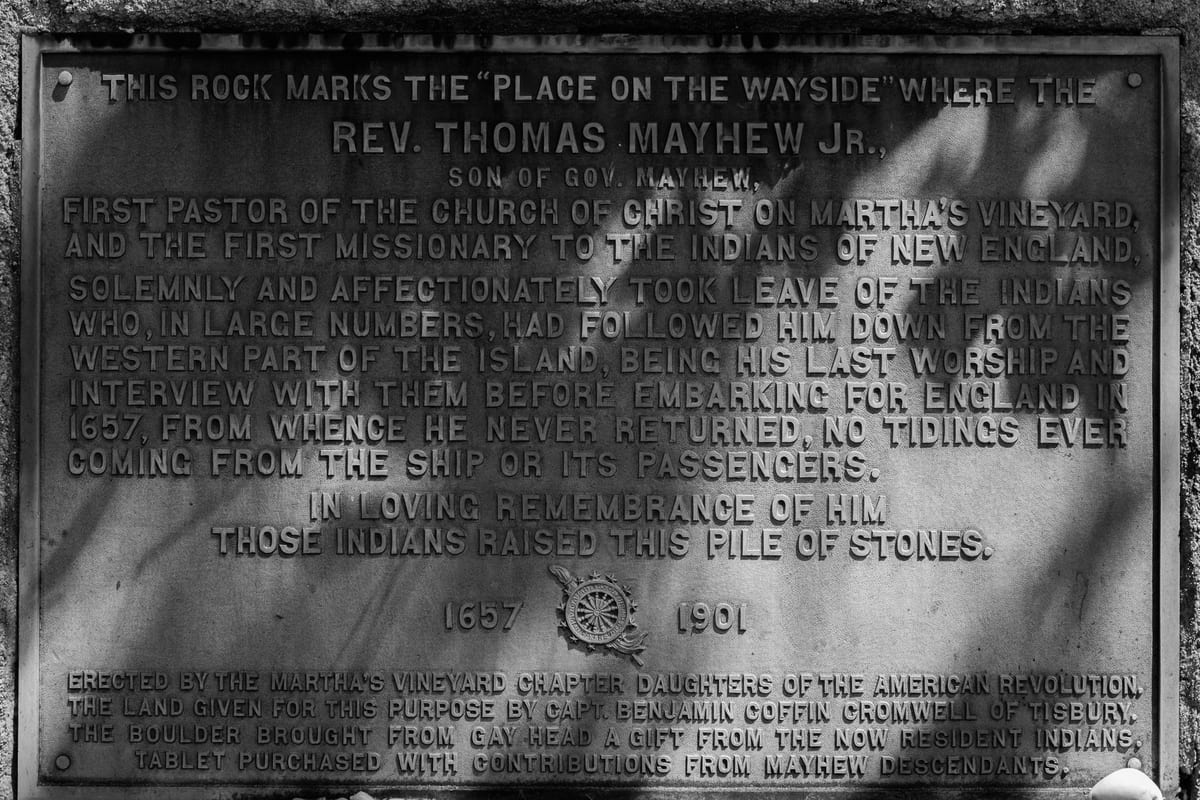 Photo by Thomas Challenger · CC Pexels License undefined
How historical markers get placed (and why you see so few)
Who decides where markers go, why many places don’t have them, and how to nominate one—short, sourced answers from the folks who work with these forms.
You saw a marker and wondered: who put that there?
Short answer: people like you start the ball rolling, but agencies decide. The National Park Service (NPS) runs the National Register of Historic Places. States run their own marker programs. In practice, that means a public nomination is vetted locally, reviewed by a state office, and sometimes—if it’s a National Register nomination—sent to the NPS for a final decision. The details matter, and they explain why you don’t see markers on every corner.
Who actually decides where historical markers go?
There are two overlapping arenas:
Federal listing (National Register of Historic Places). The NPS sets the rules and makes the final listing decisions. Nominations are prepared by applicants, reviewed by the State Historic Preservation Office (SHPO), and scheduled for a state review board. The SHPO then forwards approved nominations to the NPS for listing. NPS guidance makes clear that the SHPO is the state‑level gatekeeper and that preliminary determinations and full nominations require essentially the same caliber of documentation Google Search Central.
State roadside/interpretive markers. These are run by state agencies—often the SHPO or a historic commission. For a concrete example: in Texas, the Texas Historical Commission (THC) administers the marker program and requires county‑level review first. Applicants must obtain county historical commission (CHC) approval; the CHC forwards completed applications to the THC during an application window Texas Historical Commission.
Different goals, different signs: a National Register listing is a federal recognition of significance; a state marker is a physical interpretive sign. One doesn’t automatically create the other.
Why don’t we see markers for every “important” place?
Marker programs are choosy on purpose, and they also run on limited time and money. A few realities from official guidance:
Eligibility isn’t just “famous happened here.” Reviewers look for significance and integrity, and they expect citation‑heavy documentation at roughly National Register standards. NPS explains that even preliminary determinations require detailed, sourced documentation and that SHPOs manage formal review by a state board Google Search Central.
State programs impose concrete hurdles. Texas requires property‑owner consent with proof (deed or tax record), a 5–10 page narrative history with citations, current and historic photos, and county approval—before the state will accept the application. The THC also posts a schedule and warns the process can take 12–18 months from application to dedication Texas Historical Commission.
Local capacity and demand are uneven. Texas notes county historical commissions might see anywhere from 1 to 30 applications a year depending on county activity—some places are swamped, others quiet, and each packet takes volunteer and staff time Texas Historical Commission.
Practical constraints can block a good story. Owner consent can halt a nomination. Placement and safety rules affect where a marker can stand. Programs also set priorities—like encouraging underrepresented histories—which can influence what gets reviewed first Texas Historical Commission.
Bottom line: lots of worthy places lack markers because they haven’t been nominated, can’t clear the documentation bar, don’t have owner permission, or are waiting in a long queue.
What’s the difference between a National Register listing and a state marker?
Think process and product:
National Register: a federal designation decided by the NPS after the SHPO vets, schedules a state review board, and submits. NPS documentation standards drive the content and depth of the application Google Search Central.
State marker: a physical sign managed by a state program. In Texas, applicants must first work with the county historical commission, secure owner consent, and submit a fully cited narrative to the THC during its application window Texas Historical Commission.
Plenty of places are on the National Register and never get a roadside marker, and vice versa. They’re separate tracks with different gatekeepers.
Who decides the text on a marker?
You don’t just write a plaque and send it off. Review bodies expect a concise, evidence‑based narrative that supports any proposed text. Texas calls the narrative the “heart” of the application and requires citations and photos. Reviewers edit for accuracy, not flair, and they reject promotional copy Texas Historical Commission. NPS guidance for National Register documentation sets the same tone: claims must be supported by research meeting federal standards Google Search Central.
How can someone nominate a marker? A practitioner’s checklist
State procedures vary, but the cast is consistent: applicant → local/county review → state program, and for federal listing the SHPO and NPS join in. Here’s a practical path using Texas as a working model:
- Start with eligibility and scope
- Decide if you’re pursuing a state marker, a National Register nomination, or both. If you aim for the National Register, expect NPS‑level documentation from the start and plan for SHPO and a state review board before the NPS decision Google Search Central.
- If you’re eyeing a Texas marker, read the THC guidance. It spells out packet contents, policies, and timelines Texas Historical Commission.
- Contact the local review body early
- In Texas, the county historical commission is your first stop. They review drafts, check owner consent, and decide whether to forward your application to the state during the window Texas Historical Commission.
- Secure owner consent and proof
- No permission, no marker. Texas requires documented consent, typically with a deed or tax record attached to the packet Texas Historical Commission.
- Build the narrative (5–10 pages for Texas) with citations
- Pull primary sources: deeds, maps, census records, newspapers, photos, and oral histories as appropriate. Texas even points to research how‑tos (Sanborn maps, oral histories, census) and requires both current and historic photos Texas Historical Commission.
- Align your argument for significance and integrity with federal expectations so your evidence stands up at any level Google Search Central.
- Mind the calendar and the queue
- Texas runs on application windows and warns the process can take 12–18 months end‑to‑end. County workloads range widely—some see 1 to 30 applications a year—which affects review speed Texas Historical Commission.
- Submit, respond, and refine
- Expect edits. Reviewers prioritize accuracy, safety, and policy, and they may adjust text or even site placement standards before approval Texas Historical Commission.
Common mistakes that sink marker applications
You can avoid most self‑inflicted delays by not doing these:
- Skipping owner consent or failing to include proof. Texas won’t accept incomplete packets Texas Historical Commission.
- Submitting an under‑sourced narrative. Anecdotes won’t cut it; the narrative is the “heart” of the application and must be citation‑heavy with good photos Texas Historical Commission.
- Waiting too long to contact the county body. Local boards set their own timelines and need time before the state deadline Texas Historical Commission.
- Writing ad copy. Reviewers expect evidence‑based text; they’ll edit out hype or reject it Texas Historical Commission.
- Assuming a National Register listing is required—or that it automatically leads to a roadside plaque. The National Register and state markers are separate tracks with different gatekeepers Google Search Central Texas Historical Commission.
What actually makes a nomination persuasive?
- Evidence that matches the claim. If you argue architectural significance, provide comparative examples and integrity photos; if it’s an event, document dates, participants, and outcomes using primary sources. NPS guidance lays out the expectation that preliminary and full determinations need the same level of rigor Google Search Central.
- Early alignment with reviewers. Talk to the county body or SHPO staff before you sink months into a dead‑end angle. Texas explicitly routes all marker work through its county historical commissions first Texas Historical Commission.
- Clean packets. Clear scans, labeled photos, legible deeds—make the volunteer reviewer’s life easier.
While you hunt for plaques, you can still hear the stories
Lots of places are significant but unmarked. That’s not a dead end for curious passengers. LoreRoad reads location‑aware stories aloud as you pass them, so you don’t need a signpost to catch the history. Peek at how the Facts work, or ask Lore—our AI co‑pilot with a real, human voice—“What happened here?” and get the backstory without pulling over. It keeps the driver’s eyes on the road and your brain in the past.
Quick answers
- Who decides where historic markers go? For federal designation, the SHPO vets and forwards National Register nominations to the NPS, which makes the final listing decision Google Search Central. For state roadside markers, the state program decides—Texas routes applications through county historical commissions to the Texas Historical Commission Texas Historical Commission.
- Why aren’t there markers for every important place? Documentation standards are high, owner consent and placement rules apply, staff and volunteer capacity is limited, and the process can take 12–18 months—so only a fraction of potential sites make it through in a given year Texas Historical Commission Google Search Central.
- How can someone nominate a marker? Start with your state’s program page, contact the local/county review body early, secure owner consent with proof, build a citation‑heavy narrative with photos, and submit during the state’s window. Texas spells out each requirement in its application materials Texas Historical Commission.
Ready to move from “someone should mark this” to action? Email your county historical commission this week and ask for its next application deadline and checklist.
Common questions
How long does a state historical marker take from application to dedication?
Texas guidance says the process can take 12–18 months from application to dedication, depending on review cycles and workloads Texas Historical Commission.
Do I need the property owner’s permission for a marker?
Yes in Texas. The Texas Historical Commission requires property‑owner consent with proof (like a deed or tax record) before it will accept an application Texas Historical Commission.
Does a National Register listing automatically come with a roadside marker?
No. National Register listings are federal designations decided by the NPS after SHPO review. State roadside markers are separate programs administered by state agencies like the Texas Historical Commission Google Search Central Texas Historical Commission.
Who reviews my nomination before it reaches the state?
In Texas, the county historical commission is the first reviewer. They check owner consent, the narrative, and supporting materials, and forward complete applications to the state during the application window Texas Historical Commission.
LoreRoad tells you the history behind every mile — surfaced as you reach it and read aloud, so the driver never looks down.
Get the app